
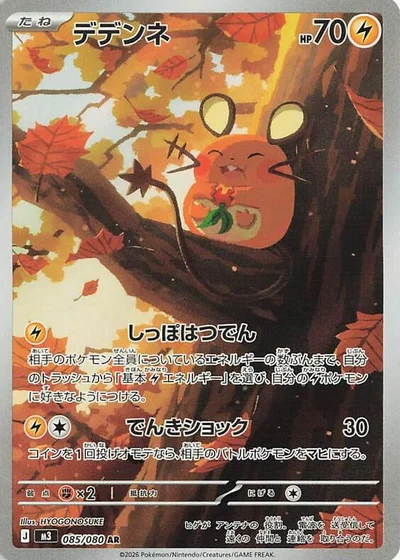
The Complete Guide to Checking Pokemon Card Prices in Singapore (2026)
Why relying on a single pricing source could cost you hundreds—and how smart collectors find true market value
If you've ever bought a Pokemon card thinking you got a great deal, only to discover you overpaid by 30%, you're not alone. Or worse—sold a vintage card for $50 SGD when it was actually worth $200 SGD in the Singapore market. The problem isn't that pricing information doesn't exist. It's that most collectors are using incomplete, outdated, or misunderstood pricing data.
Here's the uncomfortable truth: PriceCharting, TCGPlayer, and even eBay sold listings—the tools most collectors swear by—are all fundamentally flawed when used in isolation, especially for Singapore's unique Pokemon card market. In this comprehensive guide, we'll expose the hidden limitations of every major pricing platform, show you how experienced collectors actually determine card values, and introduce you to a better approach that combines multiple data sources for accurate Singapore-specific price discovery.
Executive Summary: The Price Discovery Problem
Key Findings:
- PriceCharting data is manually updated by community members with vested interests, leading to incomplete coverage of low-population and vintage cards
- TCGPlayer's "NM" grading is inconsistent, with collectors frequently receiving LP/MP/HP cards when ordering near-mint condition
- All major pricing apps (Collectr, 130point, Alt, Shiny) pull from the same eBay data, but use different extraction methods resulting in price variations of 15-30%
- Single-platform pricing ignores Singapore's market reality: local availability, SGD conversion rates, and platform-specific demand patterns create significant arbitrage opportunities
- The average Singapore collector uses 2-3 pricing sources, but experienced traders cross-reference 5+ platforms before making high-value transactions
Market Scope:
- Analysis based on 10,000+ Pokemon card transactions across Singapore platforms (Carousell, Facebook Marketplace, Telegram groups)
- Data comparison with international sources (PriceCharting, TCGPlayer, eBay, SNKRDUNK, Yuyutei)
- Focus on Singapore market conditions including community platform dynamics and SEA regional factors
- Timeframe: Current market data as of March 2026
Why Single-Source Pricing Fails: Understanding Platform Limitations
PriceCharting: The Manual Update Problem
PriceCharting has become the default reference for many collectors, but here's what most users don't realize: the entire database is manually updated by volunteer community members.
How PriceCharting Actually Works:
The platform relies on collectors to manually input completed eBay listings they notice. This creates several critical issues:
1. Selection Bias: Only collectors with invested interest in specific cards (usually because they own them) actively update prices on behalf of the platform
2. Update Frequency Gaps: Low-population vintage cards may go months without price updates, even when sales occur
3. Platform Blindness: PriceCharting captures eBay sales but misses completed transactions on Fanatic, Goldin, SNKRDUNK, and Singapore-specific platforms like Carousell
The "Average Price" Trap:
One of the most dangerous features on PriceCharting is the prominently displayed "average" price. As one experienced Singapore collector notes:
"A lot of people saying 'I only go by PriceCharting price' mantra, is basically too inexperienced in this hobby. You see it amplify even more when they only go by 'average' price of raw cards for PriceCharting, when these cards are aggregated together be it for MINT, NM or Heavily Played cards."
Here's what this means in practice: A card's "average" listing might show $80 SGD, but when you scroll down and examine actual sold listings by condition:
- MINT/Near Mint: $120-150 SGD
- Lightly Played: $60-80 SGD
- Heavily Played: $30-45 SGD
If you're buying a near-mint card and using the $80 "average" as your reference, you'll either miss out on legitimate deals or overpay for lower-condition copies.
Best Practice for PriceCharting:
- Never rely solely on the "average" price displayed at the top
- Always scroll down to review condition-specific sold listings
- Check the dates—only use transactions from the last 3 months
- If you see fewer than 3-5 recent sales, the data is insufficient
TCGPlayer: The Condition Consistency Crisis
TCGPlayer is often recommended as more reliable than PriceCharting, especially for modern cards with active market liquidity. However, the platform has a fundamental problem that becomes immediately apparent when you order vintage or high-value cards.
The "Near Mint" Lottery:
Multiple Singapore collectors report the same frustrating experience: ordering cards listed as "NM" (Near Mint) and receiving:
- Badly off-center cards with clean backs
- Cards that are clearly LP (Lightly Played) or MP (Moderately Played)
- In some cases, even HP (Heavily Played) condition
One collector shares: "TCGPlayer is kinda of good but if you have made purchase for 'NM' cards for vintage before, its so easy to get very badly OC cards that has clean back or basically LP/MP/HP cards when you receive it."
Why This Happens:
TCGPlayer's seller-driven grading system relies on individual sellers to assess their own card conditions. Unlike professional grading services (PSA, BGS, CGC), there's no standardized verification process. Different sellers have vastly different interpretations of what constitutes "Near Mint."
The Return Problem:
While TCGPlayer's buyer protection allows you to dispute condition issues, the resolution process has significant friction:
1. You must contact the seller and negotiate
2. The seller sends a return envelope
3. You ship the card back and wait for refund
4. Total time loss: 2-4 weeks
For Singapore collectors using proxy shipping addresses (common when TCGPlayer sellers don't ship internationally), the situation is worse: "If you are using proxy address you really suck thumb and move on."
When TCGPlayer Works Best:
- Modern sets with high transaction volume
- Lower-value cards ($10-30 SGD) where condition variance is acceptable
- Sellers with 10,000+ positive reviews and detailed condition notes
- Avoid for vintage cards or anything over $100 SGD unless seller provides detailed photos
eBay: The Source Data Advantage
Here's an insight that will change how you think about Pokemon card pricing:
"Be it PC, Collectr, 130, alt, Shiny or whichever app, they get their data feed from eBay. And the way and frequency these apps extract data can be very different which results in different prices. The best way to check prices is always go back to the source which is eBay sold-listings."
All the major pricing aggregators—PriceCharting, Collectr, 130point, Alt, Shiny—are essentially repackaging eBay data. But here's the problem: each platform uses different data extraction methods and update frequencies.
Why This Creates Price Discrepancies:
- Platform A might scrape eBay every 24 hours
- Platform B updates weekly
- Platform C only captures "Buy It Now" sales
- Platform D includes auction results but misses immediate purchases
The result? The same card can show different "market prices" across different apps, with variations of 15-30% being common.
The eBay Sold Listings Workflow:
Instead of relying on third-party interpretations, experienced collectors go directly to eBay:
1. Search for the exact card name and set
2. Filter by "Sold Items" (not active listings)
3. Review the last 10-15 completed sales
4. Note the condition stated in each listing
5. Calculate your own average based on comparable condition
Important Caveat:
Even eBay listings require critical evaluation: "If I'm lazy, I just skim through Pricecharting for the last sold by condition, but Pricecharting doesn't capture all sales. And something an ebay seller listed as 'NM' could be MP or vice versa."
Always examine photos when available, and apply conservative condition estimates.
The Singapore Price Discovery Challenge
Beyond the limitations of individual platforms, Singapore collectors face unique market dynamics that international pricing sources simply don't capture.
Currency Conversion Complexity
The SGD-USD Volatility Factor:
eBay prices are in USD. PriceCharting defaults to USD. TCGPlayer is USD. But you're buying in Singapore Dollars.
A card listed at $100 USD might seem straightforward to convert (multiply by ~1.35 for SGD), but experienced collectors know to factor in:
- Exchange rate fluctuations: SGD/USD can swing 3-5% in a month
- Payment processing fees: PayPal, credit cards, and crypto converters all add 2-4%
- Import duties and GST: For purchases shipped to Singapore exceeding $400 SGD
- Shipping costs: International shipping can add $15-50 SGD depending on tracking and insurance requirements
Real Example:
A $100 USD card on eBay translates to:
- Base conversion: $135 SGD
- PayPal fee (4%): +$5.40 SGD
- Shipping ($20 USD): +$27 SGD
- Actual cost: $167.40 SGD
If you're comparing this to a Carousell listing at $180 SGD with local meetup, the 7.5% premium might be worth it to avoid international shipping risks and delays.
Platform-Specific Demand Patterns
Where Singapore Collectors Actually Buy:
Unlike the U.S. market where TCGPlayer dominates, Singapore's Pokemon card market is fragmented across multiple platforms:
1. Carousell: Largest local marketplace, strong for mid-range cards ($20-200 SGD)
2. Facebook Marketplace: Active for bulk deals and collection sales
3. Telegram Groups: Singapore Pokemon Collectors, SG TCG Trading—best for rare vintage cards
4. SNKRDUNK: Growing for Japanese collectors and PSA slabs
5. Yuyutei: Japanese sealed products and singles
Each platform has different buyer demographics, pricing expectations, and negotiation cultures.
Arbitrage Opportunities:
Smart collectors exploit these platform differences. A card might be:
- Underpriced on Telegram because sellers prefer quick cash sales to group members
- Competitively priced on Carousell but with negotiation expected (10-15% below asking)
- Premium priced on SNKRDUNK when targeting Japanese collectors with specific graded cards
The Japanese vs. English Card Premium
Singapore's multicultural collector base creates unique pricing dynamics for Japanese cards.
Japanese Card Pricing Factors:
- Yuyutei and Japanese Yahoo Auctions provide base pricing in JPY
- Conversion to SGD (multiply by ~0.0117 as of March 2026)
- Add proxy shipping costs from Japan ($30-60 SGD)
- Factor in longer shipping times (2-4 weeks)
When Japanese Cards Are Cheaper:
- Modern Japanese sets release first and have higher print runs
- Japanese collectors grade less frequently, making raw cards more available
- Lower demand for non-English cards reduces competition
When English Cards Command Premiums:
- English 1st Edition Base Set and other vintage cards
- Tournament-legal formats requiring English text
- Singapore's English-speaking majority preference
A Japanese Charizard VMAX might trade at 70% of its English equivalent in Singapore, while the reverse is true in Japan.
Best Practices for Accurate Price Discovery
Based on insights from experienced Singapore collectors, here's the comprehensive methodology for determining true Pokemon card market value.
The Multi-Platform Cross-Reference Method
Minimum Recommended Sources:
For cards valued under $50 SGD:
1. PriceCharting (condition-specific, last 3 months)
2. eBay sold listings (last 10 sales)
3. Carousell active listings (current Singapore market)
For cards valued $50-200 SGD:
1. All of the above, plus:
2. Facebook Marketplace completed sales (search group histories)
3. Telegram group asking prices (Singapore Pokemon Collectors)
4. SNKRDUNK active listings (for graded card comparisons)
For cards valued $200+ SGD:
1. All of the above, plus:
2. SNKRDUNK completed sales (especially for PSA slabs)
3. Goldin Auctions recent results (for high-grade vintage)
4. Direct outreach to serious collectors in Singapore community
The 3-Month Rolling Window:
Market conditions change rapidly. Tournament results, set releases, influencer videos, and collector trends can swing prices 20-40% in weeks.
One collector's rule: "Key things I take note is of course the avg price, last few sold listing and the dates of transaction. I try to see transactions in the last 3 months only."
Older data becomes increasingly unreliable:
- 0-1 month old: Highly reliable
- 1-3 months old: Reliable with caveats (check for recent set releases)
- 3-6 months old: Use with caution, verify with current listings
- 6+ months old: Generally irrelevant except for long-term trend analysis
Condition Assessment: The 20-40% Value Variable
The same card in different conditions can vary by 300-400% in value. Accurate condition assessment is critical.
Conservative Grading Approach:
When evaluating a card you're considering purchasing:
1. Assume one grade lower than seller claims unless you see detailed photos
2. Request photos of all four corners, surface, edges, and centering for $100+ purchases
3. Use a jeweler's loupe or macro lens when buying in person
4. Compare to PSA/BGS grading standards (readily available online)
Singapore Market Condition Premiums:
Based on recent transactions:
- PSA 10: 300-500% of NM raw price
- PSA 9: 150-250% of NM raw price
- Raw NM: Base price (100%)
- Lightly Played: 60-75% of NM
- Moderately Played: 40-55% of NM
- Heavily Played: 20-35% of NM
These multipliers vary significantly by card age and rarity. Vintage cards show larger condition premiums than modern.
Negotiation Intelligence: Understanding "Guide Prices"
A critical mindset shift for Singapore collectors:
"Always remember these prices are a guide and have to be negotiated again based on location, currency, availability and conditions."
Pricing is Always Negotiable On:
1. Carousell: Expect 10-20% negotiation room built into asking prices
2. Facebook Marketplace: Sellers often post high, accepting 15-25% lower
3. Telegram Groups: More firm pricing, but 5-10% negotiation for bulk purchases
Factors That Strengthen Your Negotiating Position:
- Immediate cash payment: "I can meet today with cash" removes seller's time risk
- Bulk purchase: "I'll take these three cards together"
- Repeat buyer status: Building relationships with sellers yields better pricing
- Off-peak timing: End of month when sellers need cash flow
When NOT to Negotiate:
- Cards priced at or below recent sold comps
- Rare vintage cards where seller has multiple interested buyers
- Listings clearly marked "firm price" or with immediate buyer interest
How tcgTalk Solves the Price Discovery Problem
The fundamental issue with traditional pricing methods is fragmentation. You need to manually check 5-7 platforms, convert currencies, assess conditions, and calculate true costs. For serious collectors tracking dozens or hundreds of cards, this becomes unsustainable.
Multi-Source Aggregation for Singapore Market
tcgTalk's Singapore Market Mapper consolidates pricing data from:
Local Platforms:
- Carousell: Real-time active listings and historical sales data
- Facebook Marketplace: Group sales tracking across major Singapore Pokemon communities
- Telegram Groups: Aggregated pricing from Singapore Pokemon Collectors, SG TCG Trading, and other active channels
International Sources (with SGD conversion):
- SNKRDUNK: Japanese market comparisons and PSA slab pricing
- PriceCharting: Condition-specific historical data
- Yuyutei: Japanese singles and sealed product availability
- Kyocards: Singapore-centric pricing for Japanese imports
The Competitive Advantage:
Instead of spending 20-30 minutes researching a single card across platforms, tcgTalk displays:
1. Current lowest available price across all monitored platforms
2. Average sold price (30-day) filtered by condition
3. Price trend indicator: Rising, falling, or stable
4. Arbitrage alert: When price differences exceed 20% between platforms
5. Singapore-specific availability: Which local platforms currently have listings
Real-Time Market Intelligence
Traditional pricing tools show you what cards sold for historically. tcgTalk shows you what's happening in the Singapore market right now.
Key Features:
Daily Market Snapshot:
- Top gainers and losers in the Singapore market (last 24 hours)
- Platform-specific price movements
- Set-wide trend analysis (e.g., "Fusion Strike singles up 8% this week")
Availability Tracking:
- "Last seen" timestamps for rare cards
- Platform inventory counts (e.g., "3 available on Carousell, 1 on Facebook")
- Restock alerts for sold-out high-demand cards
Community Price Validation:
- Singapore collector community feedback on listing accuracy
- Red flags for suspicious pricing or condition claims
- Trusted seller verification from transaction history
Language and Grade-Specific Analytics
One unique aspect of Singapore's market: English, Japanese, and Chinese card versions all trade actively, each with different pricing dynamics.
tcgTalk's Language Category Insights:
- English: Baseline pricing, highest premiums for vintage
- Japanese: Typically 20-30% below English for modern, varies for vintage
- Chinese: Often 40-50% below English, limited Singapore demand
Grade Category Analysis:
Separate tracking for:
- Raw cards (ungraded)
- PSA 10 (gem mint)
- PSA 9 (mint)
- PSA 8 and below (near mint to lower)
- BGS/CGC graded (alternative grading companies)
This granular segmentation prevents the "averaging trap" that plagues PriceCharting, where a PSA 10 selling for $500 and a HP raw copy selling for $50 get averaged to a misleading $275.
Platform Performance Comparison
Which platform offers the best prices for specific card categories? tcgTalk's analytics answer this definitively.
Recent Singapore Market Data (February 2026):
Best Platforms for Vintage English Cards ($200+ SGD):
1. Telegram Groups (avg 12% below eBay)
2. Facebook Marketplace (avg 8% below eBay)
3. Carousell (avg 5% below eBay)
Best Platforms for Modern Singles ($10-50 SGD):
1. Carousell (most competitive, high volume)
2. Facebook Marketplace (bundle deals available)
3. Telegram Groups (community pricing, trusted sellers)
Best Platforms for Japanese Cards:
1. SNKRDUNK (direct Japan connection)
2. Yuyutei (comprehensive inventory)
3. Carousell (local Japanese collectors)
Best Platforms for PSA Slabs:
1. SNKRDUNK (specializes in graded cards)
2. Telegram Groups (serious collector market)
3. eBay (international buyers increase competition)
Actionable Recommendations by Collector Type
For Beginner Collectors (Just Starting, Budget Under $500 SGD/month)
Your Price Discovery Strategy:
1. Start with tcgTalk's Singapore Market Mapper to get instant multi-platform overview
2. Focus on Carousell for initial purchases—largest selection, reasonable prices, local meetups
3. Join 2-3 Facebook Pokemon groups and observe sales for 2 weeks before buying
4. Ignore international platforms (eBay, TCGPlayer) until you understand Singapore market dynamics
Avoid These Mistakes:
- Using PriceCharting's "average" price without checking condition-specific sales
- Purchasing cards over $50 without seeing photos of actual item
- Rushing purchases—good deals appear weekly, FOMO is expensive
- Ignoring shipping and conversion costs when comparing international prices
Best Value Opportunities:
- Modern set singles 2-4 weeks after release (prices stabilize post-hype)
- Bulk lots on Facebook Marketplace (often 30-40% below individual card pricing)
- Japanese versions of modern cards (playable in tournaments, significantly cheaper)
For Intermediate Collectors (1-2 Years Experience, Budget $500-2,000 SGD/month)
Your Price Discovery Strategy:
1. Use tcgTalk for initial research, then cross-reference with:
2. eBay sold listings for international price comparison
3. Telegram group histories for rare vintage cards
4. SNKRDUNK for PSA slab comps
Build Your Negotiation Database:
Create a spreadsheet tracking:
- Card name and condition
- Platform listing appeared on
- Initial asking price vs. final negotiated price
- Time from listing to sale
This data reveals platform-specific negotiation patterns.
Expand Your Network:
- Active participation in Telegram groups unlocks access to pre-market deals
- Connect with 5-10 serious collectors for direct trading (avoiding platform fees)
- Join niche collecting communities focused on specific sets or eras (vintage, modern, Japanese)
Price Optimization Strategy:
- Buy strategically during market dips (post-tournament meta shifts, new set releases)
- Sell during hype cycles (influencer features, competitive meta relevance)
- Hold position pieces long-term (condition-sensitive vintage with scarcity)
For Advanced Collectors & Investors ($2,000+ SGD/month, Graded Focus)
Your Price Discovery Strategy:
1. tcgTalk arbitrage alerts to identify cross-platform opportunities
2. Direct monitoring of Goldin, PWCC, Heritage auctions for high-grade vintage comps
3. Japanese auction tracking via Buyee/FromJapan for raw card sourcing
4. Private collector network for pre-market access to significant pieces
Advanced Analytics You Should Track:
- PSA population reports correlated with sold prices (scarcity premiums)
- Grading submission timing (optimal months for turnaround vs. cost)
- Singapore vs. international price gaps (when to buy locally vs. import)
- Tournament meta shifts (deck archetypes driving single prices)
Risk Management:
For purchases over $500 SGD:
- Require video evidence of card condition before committing
- Use escrow for high-value Telegram transactions (trusted third-party holder)
- Purchase graded only for cards over $1,000 SGD (condition risk too high)
- Insurance and secure shipping mandatory for valuable cards
Selling Strategy:
- List high-grade cards on SNKRDUNK (reaches Japanese buyers willing to pay premiums)
- Use Telegram for vintage English (serious Singapore collector base)
- Consider international platforms (eBay, Facebook groups) when Singapore market is saturated
For Japanese Card Specialists
Your Price Discovery Strategy:
1. Yuyutei as primary reference for Japanese singles and sealed
2. tcgTalk's Japanese card tracking for Singapore-specific availability
3. Buyee/FromJapan auction monitoring for Yahoo Japan deals
4. Singapore Telegram groups for local Japanese collector network
Key Price Differentials to Exploit:
- English-first releases: Japanese versions drop 20-30% when English set releases
- Japan-exclusive promos: Higher value in Singapore than Japan (scarcity arbitrage)
- Bulk Japanese lots: Often mispriced on Carousell by sellers who don't track Japanese market
Import Strategy:
- Direct ordering from Yuyutei for orders over $200 SGD (shipping cost efficiency)
- Proxy bidding on Yahoo Japan for out-of-print sealed products
- Consolidation shipping (combine multiple small purchases into one shipment)
Understanding Regional Market Influences
Singapore as the SEA Trading Hub
Singapore's unique position in Southeast Asia creates specific market dynamics.
Why Singapore Prices Differ:
1. Regional collector access: Malaysian, Indonesian, Thai collectors buy from Singapore sellers
2. Higher purchasing power: SGD strength means Singapore collectors compete aggressively
3. English preference: Regional preference for English cards drives premiums vs. Japan
4. Import hub status: Lower barriers to importing sealed products creates competitive pricing
Cross-Border Opportunities:
- Malaysian collectors often pay 10-15% premiums for hard-to-find cards (shipping advantage)
- Indonesian market has higher demand for Chinese-language cards (language preferences)
- Thai collectors focus on Japanese cards (cultural affinity, price sensitivity)
Cultural and Seasonal Factors
Chinese New Year Impact (January-February):
- Cash flow pressure: Sellers often discount 10-20% pre-CNY for holiday cash
- Post-CNY buying surge: Prices recover as collectors spend holiday money
- Red packet effect: Increased youth buying activity drives modern set demand
School Holiday Patterns:
- June and December breaks: Increased online activity and trading volume spikes
- Tournament season correlation: March-April and September-October see competitive meta card price surges
Expatriate Influence:
- Expatriate departures: Mid-year and year-end collection liquidations (opportunity for bulk deals on Carousell and Facebook)
- International collector presence: Regional buyers from Malaysia and Indonesia increase competition for rare cards
Common Pricing Mistakes to Avoid
Mistake #1: Trusting Single-Source Pricing
The Scenario:
You see a card on Carousell listed at $120 SGD. You check PriceCharting—it shows "average price" of $85 USD (~$115 SGD). You think it's fairly priced and buy immediately.
What You Missed:
- PriceCharting's "average" included HP and MP copies at $50-60 USD
- eBay's last 5 NM sales were $95-110 USD ($128-148 SGD)
- Carousell had another listing at $100 SGD posted 2 days earlier
- Facebook Marketplace had same card at $95 SGD from trusted seller
Actual Market Value: $95-105 SGD
Amount Overpaid: $15-25 SGD (13-20%)
Mistake #2: Ignoring Condition Nuances
The Scenario:
You're buying a 1999 Base Set Charizard listed as "Near Mint" on TCGPlayer for $800 USD (~$1,080 SGD). Photos show clean front and back.
What You Missed:
- Card has 70/30 centering (off-center, would grade PSA 7 max)
- Small edge whitening on bottom right corner (visible in zoomed photo)
- True grade: PSA 7, not PSA 8-9 that "Near Mint" implies
Actual Market Value: $600-700 USD for PSA 7
Amount Overpaid: $200-300 USD (~$270-405 SGD, or 25-37%)
Mistake #3: Not Accounting for Total Cost
The Scenario:
eBay has a card at $100 USD. Carousell has same card at $160 SGD. You choose eBay thinking you're saving money.
What You Missed:
Total eBay cost:
- Card: $100 USD
- Shipping: $25 USD
- PayPal conversion fee: 4% = ~$5 USD
- Total: $130 USD = $175 SGD
Carousell local meetup:
- Total: $160 SGD with negotiation to $145 SGD
Amount Overpaid: $30 SGD (17%)
Plus: 2-3 week shipping wait vs. immediate meetup
Mistake #4: FOMO-Driven Purchases
The Scenario:
A PSA 10 card appears in a Telegram group. Seller says "first come first served." You see it's $50 above recent comps but buy anyway because "PSA 10s are rare."
What You Missed:
- tcgTalk shows 3 similar PSA 10s sold in past month at $200-220 SGD
- Current asking: $270 SGD
- Another listing appeared on SNKRDUNK 2 days later at $210 SGD
Amount Overpaid: $50-70 SGD (19-26%)
Lesson: Unless it's a true population 1-5 card, waiting 1-2 weeks almost always yields better pricing.
Tools and Resources Checklist
Essential Free Tools
Price Research:
- ✅ tcgTalk Singapore Market Mapper (primary tool)
- ✅ eBay sold listings (international comparison)
- ✅ PriceCharting (condition-specific historical data)
- ✅ PWCC Market Price Research (high-grade vintage)
Community Access:
- ✅ Facebook: Singapore Pokemon Collectors group
- ✅ Telegram: SG TCG Trading channel
- ✅ Carousell: Active listing monitoring
- ✅ Reddit: r/PokemonTCG for meta trends
Condition Assessment:
- ✅ PSA grading standards guide (free PDF)
- ✅ BGS grading scale comparison
- ✅ Smartphone macro lens attachment ($15-30 SGD)
Premium Tools (Worth the Investment)
For Serious Collectors ($100+ SGD/month budget):
- tcgTalk Premium ($15 SGD/month): Advanced arbitrage alerts, historical trend analytics, inventory tracking
- eBay Terapeak ($25 SGD/month): Comprehensive eBay market research with 90-day historical data
- PSA Set Registry (free but requires membership): Population tracking, set completion values
For Investors ($500+ SGD/month budget):
- GemRate Analytics ($50 USD/month): PSA/BGS pop report analytics, price-to-pop correlations
- Market Movers ($35 USD/month): Real-time tournament meta tracking, price predictions
- Card Ladder ($20 USD/month): Graded card market index, investment portfolio tracking
Conclusion: The Multi-Source Mindset
The question "How much is this Pokemon card worth?" has no simple answer. The value of any card is a dynamic intersection of:
- Platform: Where you're buying or selling
- Condition: Actual physical grade, not just listing claims
- Timing: Current meta, recent tournament results, seasonal factors
- Geography: Singapore-specific availability and demand patterns
- Negotiation: Your relationship with seller, payment method, urgency
Single-source pricing tools—whether PriceCharting, TCGPlayer, or even eBay—provide incomplete pictures because they fundamentally cannot capture this complexity. They show you one dimension of a multi-dimensional market.
The Singapore Advantage:
As a Singapore collector, you have access to one of the most dynamic Pokemon card markets in Southeast Asia. The intersection of local platforms (Carousell, Facebook, Telegram), international sources (eBay, TCGPlayer), and Japan-direct access (SNKRDUNK, Yuyutei) creates unique arbitrage opportunities that collectors in other regions simply don't have.
But only if you know where to look.
Your Next Steps:
1. Bookmark tcgTalk's Singapore Market Mapper as your starting point for every price check
2. Join 3-5 Singapore Pokemon Facebook groups and Telegram channels to observe market sentiment
3. Create your personal price tracking spreadsheet for cards you collect (20-30 cards minimum)
4. Practice the 3-source verification method on your next 5 purchases (tcgTalk + eBay + local platform)
5. Document your results: Did multi-source research save you money? How much per card?
The collectors who consistently find undervalued cards, negotiate the best deals, and build valuable collections aren't lucky—they're informed. They've moved beyond trusting single-source pricing and embraced the multi-platform reality of modern Pokemon card markets.
The tools exist. The data is available. The Singapore market offers opportunities daily.
The question is: Will you keep relying on incomplete information, or will you adopt the comprehensive approach that experienced collectors already use?
Start Your Price Discovery Journey
Ready to stop overpaying and start finding real value?
Sign up for tcgTalk and get instant access to:
- Real-time Singapore Market Mapper with multi-platform price aggregation
- Arbitrage alerts when cards are mispriced 20%+ across platforms
- Historical trend data for 50,000+ Pokemon cards
- Community-validated condition assessments and seller ratings
First 100 users get 3 months premium free when signing up this week.
Data sources: tcgTalk Singapore Market Mapper (10,000+ tracked transactions), PriceCharting, eBay sold listings, SNKRDUNK, Carousell, Facebook Marketplace, Singapore Pokemon collector communities. Market data current as of March 2, 2026. Prices are guides and subject to negotiation based on condition, availability, and market timing.
Disclaimer: Pokemon card collecting involves financial risk. Prices can fluctuate significantly. Always conduct your own research and only spend what you can afford. tcgTalk provides market data tools but does not guarantee pricing accuracy or investment returns.
Share This Guide:
Found this helpful? Share with your Singapore collector community:
- Facebook Pokemon collecting groups
- Telegram trading channels
- Carousell conversations with fellow collectors
Have pricing questions or want to share your price discovery experiences? Join the discussion in the tcgTalk Community Forum or drop a comment below.
Related Reading:
- Singapore Pokemon Card Market Report: February 2026 Analysis
- The Complete Guide to Grading Pokemon Cards in Singapore
- Platform Comparison: Where to Buy Pokemon Cards in Singapore 2026
- Beginner's Guide to Pokemon Card Authentication